



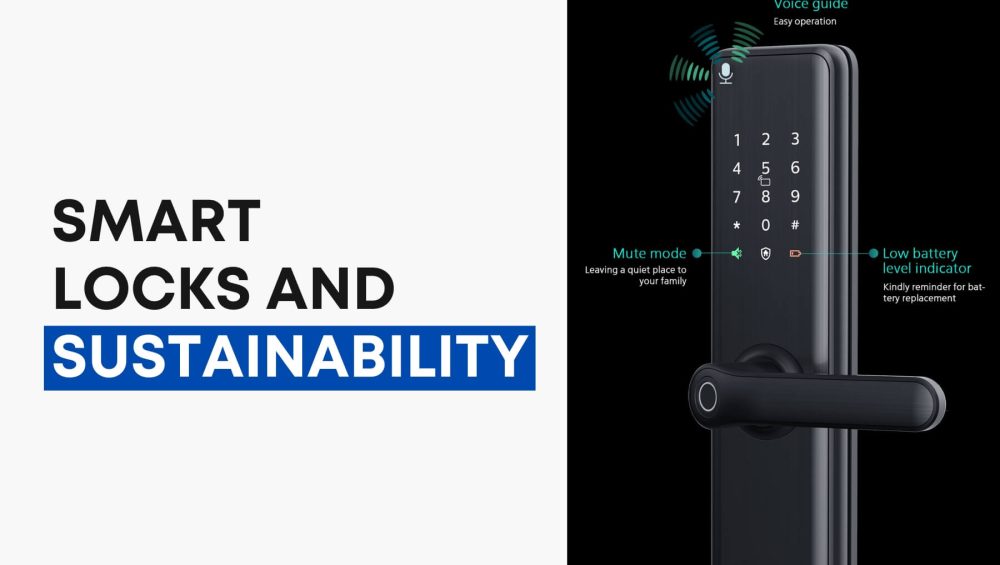
As the UAE accelerates toward becoming one of the world’s smartest and most sustainable nations, technology is playing a key role in shaping everyday living. While we often associate eco-conscious innovation with electric vehicles, solar grids, and green architecture, even home security is joining the movement.
Smart locks—once viewed as mere convenience tools—are now proving to be valuable allies in reducing energy consumption and promoting sustainability. In cities like Dubai and Abu Dhabi, where smart homes and holiday rentals are rapidly growing, energy-efficient security has become just as important as luxury and design.
So, how exactly do smart locks contribute to a greener lifestyle? Let’s explore.
What Are Smart Locks?
Smart locks are electromechanical devices that allow you to lock and unlock doors without traditional keys. They rely on wireless communication (Bluetooth, Wi-Fi, Zigbee, or Z-Wave) and cryptographic security keys, making them both secure and efficient.
Unlike conventional locks, Philips EasyKey smart locks and OjiSmart systems integrate seamlessly with IoT ecosystems, where devices “talk” to each other—boosting both convenience and sustainability.
Energy Consumption: Why Smart Locks Are Efficient
A major concern for any electronic device is energy use. Smart locks are designed to minimize this:
- Low-energy protocols (Bluetooth Low Energy, Zigbee, Z-Wave) ensure minimal drain.
- Battery-powered systems last between 6–24 months, depending on usage.
- Many locks, like the Philips 603E and Philips EasyKey Alpha, provide low-battery alerts, ensuring smooth operation without waste.
In comparison to power-hungry smart devices like always-on cameras, smart locks are surprisingly efficient, operating for years on a handful of AA batteries.
Beyond Batteries: Reducing Household Energy Waste
The sustainability benefits of smart locks extend beyond their own batteries.
When integrated into a smart home ecosystem, they become triggers for energy savings:
- “Away Mode” Automation: When the lock engages, lights switch off, thermostats shift to eco-mode, and appliances shut down.
- Holiday Rentals in Dubai: Property managers use Oji Smart Locks to monitor guest check-ins. When guests leave and the door auto-locks, connected systems cut unnecessary power—reducing electricity bills in short-stay apartments.
- Hotels & Hospitality: Philips smart locks in UAE hotels integrate with BMS (Building Management Systems), ensuring no lights or AC run when rooms are unoccupied.
Over time, this automation reduces wasted electricity and supports Dubai’s energy-efficiency targets.
Smarter Software for Smarter Sustainability
The hardware is only part of the equation—software optimization is just as important.
- Philips EasyKey locks use adaptive power management, adjusting energy use based on user habits.
- AI and machine learning in next-gen models analyze access patterns, predicting peak times and optimizing standby power.
- Firmware updates often improve energy efficiency over the device’s lifespan, extending battery longevity and reducing waste.
This continuous improvement means the locks you install today will actually become more efficient tomorrow.
End-of-Life: Recycling and Responsible Disposal
As with all IoT devices, responsible disposal is critical. Many manufacturers, including Philips, now provide recycling programs for old devices and batteries. Choosing brands that are committed to circular economy practices helps reduce e-waste in the region.
For UAE property owners—where sustainability is a growing government priority—this ensures compliance with environmental standards while protecting your investment.
Why Sustainability Matters for the UAE
The UAE Vision 2031 highlights smart, sustainable cities as a core pillar. From SIRA-approved smart locks in holiday homes to energy-efficient Philips locks in luxury villas, the country is aligning security technology with its long-term climate goals.
For Dubai holiday home owners, sustainability also has a direct financial benefit:
- Lower operating costs (reduced power bills).
- Higher guest satisfaction (eco-conscious travelers increasingly prefer sustainable accommodations).
- Compliance with SIRA regulations and government sustainability frameworks.
Conclusion
Smart locks are not just about keyless convenience—they are part of the UAE’s larger shift toward sustainable living and energy efficiency.
- They consume minimal power, lasting months to years on small batteries.
- When integrated with smart ecosystems, they actively reduce household and commercial energy waste.
- With responsible recycling programs, they support a full lifecycle approach to sustainability.
In a city like Dubai—where innovation, luxury, and sustainability converge—Philips EasyKey and OjiSmart locks are proving that even something as simple as a door lock can have a meaningful impact on the environment.
For property owners, landlords, and holiday rental operators, the choice is clear: investing in sustainable smart locks is not just about security—it’s about securing the future.