



Technology has a funny way of sneaking into every part of our lives — our phones wake us up, our lights obey our voice, and our cars almost drive themselves. Yet, one thing many of us still hold on to like an old habit is the key to our door.
Why the Delay in Acceptance?
It’s not that we don’t appreciate technology — we practically live in it. From smart TVs to wireless earbuds, innovation surrounds us. But when it comes to home security, especially smart locks, hesitation still lingers. Maybe it’s fear of change, maybe it’s comfort in familiarity — or maybe we just haven’t realized how simple and secure these modern locks have become.
Adoption rates of new technology show how quickly things evolve. As the Harvard Business Review notes, it took electricity 30 years and telephones 25 years to reach just 10% adoption. Tablets? Less than five years. In the same way, smart locks are now moving from luxury gadgets to everyday essentials, reshaping how we think about home safety.
From Keys to Codes to Fingerprints
Just as we moved from cassette tapes to CDs to Spotify, our locks are evolving too. The lock-and-key system worked for centuries, but today’s digital lifestyles demand more flexibility, convenience, and control.
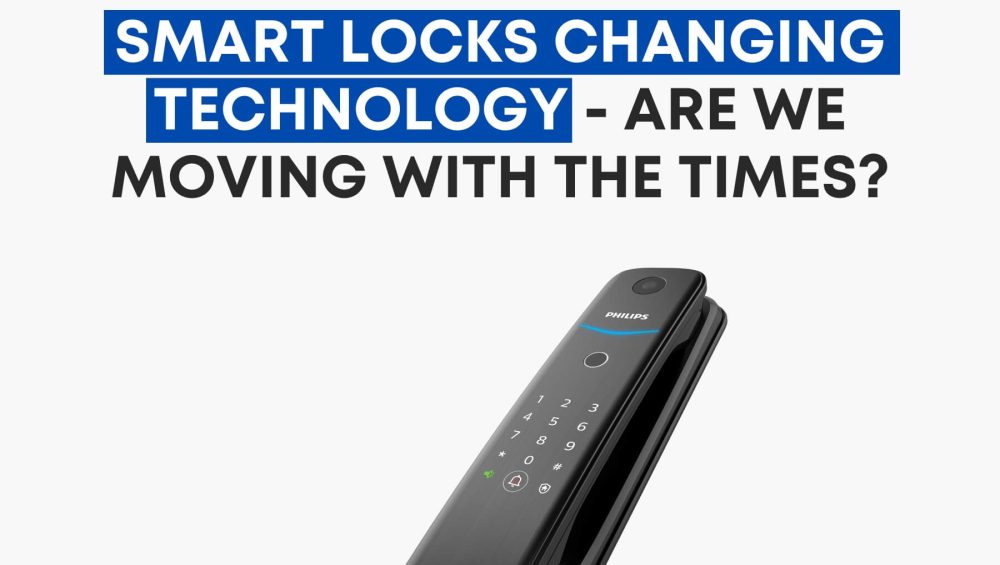
Smart locks — like Philips EasyKey and Oji Smart models — have redefined what it means to “lock up.” Whether through fingerprint sensors, PIN codes, or mobile app access, they provide seamless security that’s far beyond mechanical keys.
And the best part? You don’t need to be a tech wizard to use them. Many modern digital locks are plug-and-play, requiring no drilling, no rewiring, and no hassle.
The Smart Lock Boom
According to Security Sales & Integration, the global smart lock market is expected to exceed $3 billion by 2025, growing at a 13.9% compound annual rate. While North America and Europe lead the market, the Middle East is catching up fast — especially in cities like Dubai and Abu Dhabi, where connected homes and short-term rentals are rising.
In hotels, offices, and even apartments, electronic door locks have become a must-have. And now, homeowners are catching on too, choosing smart locks for:
- Convenience: Keyless entry for family, guests, or cleaners — no physical keys needed.
- Security: Encrypted digital access ensures only authorized people enter.
- Remote Access: Manage and monitor locks from your smartphone.
- Aesthetics: Sleek designs complement modern interiors.
A Shift in Mindset
We once feared electricity. We once resisted smartphones. And now, many hesitate to trust digital locks. But history repeats itself — innovation becomes normal once we experience its value.
With Oji Smart Locks and Philips EasyKey, users in the UAE can already enjoy:
- Multiple access modes: Fingerprint, PIN, card, app, or mechanical key backup.
- Smart alerts and logs: Track who enters and when.
- Auto-locking systems: Doors lock automatically when shut.
- App control: Manage access and monitor activity remotely.
These locks aren’t just about technology — they’re about peace of mind, control, and time saved.
So, What’s Holding You Back?
If we can trust technology to navigate traffic, control our lighting, and manage our schedules, why not trust it to guard our doors?
Smart locks are no longer just gadgets for luxury homes — they’re becoming everyday essentials for anyone who values safety and simplicity.
Final Thoughts
The future isn’t coming — it’s already here. Whether you live in an apartment in Downtown Dubai or a villa in Abu Dhabi, upgrading to a smart lock means embracing a smarter, more secure lifestyle.
So, are we moving with the times?
Or are we still holding on to the jingling reminder of the past — the traditional key?
Maybe it’s time to let technology open new doors for us. Literally.