



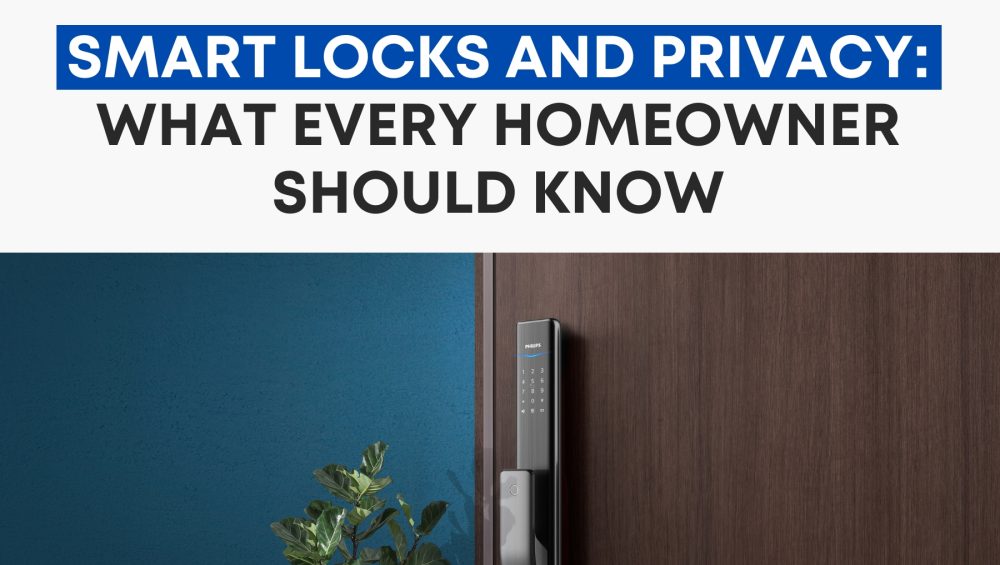
Smart locks have revolutionized how we protect and access our homes. Across the UAE, homeowners are increasingly turning to keyless entry systems for convenience, remote control, and security. With brands like Philips EasyKey and OjiSmart, managing who enters your home has never been easier.
But as with all connected technology, one question remains crucial — how private and secure are smart locks really?
This article explores the balance between convenience and privacy, explains what data smart locks collect, and provides practical tips every homeowner should know to keep their home both smart and safe.
The Rise of Smart Locks in the UAE
As part of the UAE’s rapid smart home adoption, digital locks have become an essential upgrade for villas and apartments alike. They replace traditional keys with fingerprints, PIN codes, RFID cards, or mobile apps, offering faster, safer access control.
Models like the Philips EasyKey 9300 and Oji EVO Smart Lock go even further — allowing homeowners to unlock doors remotely, track entry history, and create temporary access codes for guests.
Yet, these intelligent features come with a trade-off: the collection and transmission of data. Understanding what happens to this data is key to protecting your privacy.
What Data Do Smart Locks Collect?
Modern smart locks gather several types of data to function effectively. This may include:
- Access logs: When and how the door was locked or unlocked (fingerprint, app, or PIN).
- User information: Registered fingerprints, passcodes, or app-based credentials.
- Device data: Firmware versions, error reports, and connectivity information.
- Mobile app analytics: Usage data related to notifications, updates, or remote commands.
While this information helps improve security and user experience, it’s essential that it’s stored and transmitted safely.
The Privacy Risks You Should Know
Although smart locks from trusted brands use advanced encryption, any internet-connected device carries potential privacy risks. Here are the most common ones to be aware of:
1. Data Interception
Poorly protected networks or outdated firmware can expose access logs to unauthorized users. Always ensure your smart lock connects to a secure Wi-Fi network and that your app is up to date.
2. Unauthorized App Access
If your phone is compromised, a hacker could gain access to your smart lock app. Use biometric login (fingerprint or face ID) and avoid saving passwords on shared devices.
3. Weak or Shared PIN Codes
Using simple or repeated PINs across devices weakens your overall security. Rotate passcodes regularly and avoid sharing them through unsecured messaging apps.
4. Third-Party Cloud Storage
Some smart locks use cloud servers for storing activity logs or backup data. Ensure that your lock provider uses encrypted cloud storage and complies with data protection standards.
How Trusted Brands Protect Your Privacy
Leading manufacturers like Philips and OjiSmart design their locks with privacy at the forefront.
Philips EasyKey Security Measures
- AES-128-bit encryption protects data transfer between lock and mobile app.
- Local data storage ensures sensitive access information remains on the device.
- Randomized code entry prevents fingerprint smudging or PIN guessing.
OjiSmart Privacy Standards
- Encrypted Bluetooth communication for secure local control.
- App-based user management that allows temporary access without sharing credentials.
- No permanent cloud dependence, giving homeowners full control over stored data.
These measures ensure that both brands meet UAE’s expectations for digital safety and reliability.
Practical Tips to Safeguard Your Privacy
Even with strong manufacturer protection, homeowners play an essential role in keeping their systems secure. Here’s how to minimize risks:
- Use Strong PINs and Fingerprint Profiles
Avoid easy combinations like 1234 or birthdates. Register fingerprints of trusted household members only. - Update Firmware Regularly
Manufacturers often release updates that patch potential vulnerabilities. Enable auto-updates when available. - Secure Your Wi-Fi Network
Use WPA3 encryption and change your router’s default login credentials. - Limit App Permissions
Grant your smart lock app access only to necessary device functions — like Bluetooth or notifications — not location tracking unless required. - Buy Only from Authorized UAE Vendors
Purchase from verified suppliers like OjiSmart.com to ensure proper activation, warranty coverage, and genuine firmware versions. - Enable Notifications and Logs
Always keep push notifications on. If there’s an unexpected unlock attempt, you’ll be the first to know.
Balancing Convenience and Control
Smart locks redefine modern living by merging ease of use with cutting-edge security — but privacy remains a shared responsibility between technology and user.
By choosing reputable brands, maintaining updates, and using secure access practices, UAE homeowners can enjoy both convenience and confidentiality.
Products like the Philips EasyKey 615 or Oji VersaLock Command 6WFR demonstrate that smart technology doesn’t have to compromise privacy — it can enhance it.
Conclusion
Smart locks represent the future of home security — offering a seamless blend of innovation, safety, and control. But as with all connected devices, privacy awareness is crucial.
By understanding what data your smart lock handles and how to protect it, you can enjoy all the benefits of keyless living without the worry.
Choose brands that prioritize security. Use smart practices. And make privacy the cornerstone of your smart home journey.