


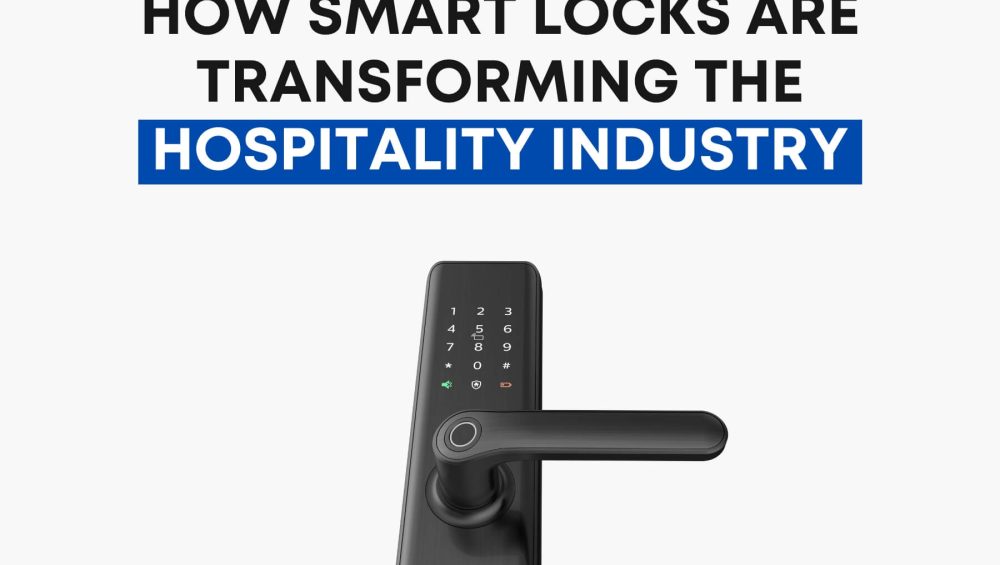
Smart Locks

How Smart Locks is Transforming Hospitality Industry of UAE

The UAE has always been a global trendsetter in hospitality. From luxury resorts on Palm Jumeirah to boutique hotels in Downtown Dubai, the country is constantly redefining the guest experience. In recent years, one technology has been at the center of this transformation: smart locks. With the rise of contactless technology, the demand for keyless entry systems in hotels, resorts, and holiday homes has surged. A report by Mordor Intelligence projects the Middle East and Africa smart lock market to grow at a 14.7% CAGR between 2021 and 2026, with the UAE leading adoption thanks to its booming tourism and luxury accommodation sector. The Rise of Keyless Hospitality Traditional keycards and metal keys are quickly becoming obsolete. In their place, smart locks offer: Keyless room entry via smartphone apps, PINs, or biometrics Contactless check-in and check-out — eliminating front-desk delays Guest convenience with instant digital keys delivered remotely Global chains like Marriott International and regional operators across Abu Dhabi and Dubai have already rolled out smart lock systems in hundreds of properties, signaling that keyless technology is now the new hospitality standard. Enhancing the Guest Experience Guest satisfaction is everything in hospitality. According to Oracle’s 2022 survey, 90% of hotel executives believe technology is critical to improving customer experience. Smart locks deliver on this promise by: Allowing guests to check in before arrival and head straight to their rooms Enabling self-service, contactless entry during late-night or peak check-in hours Offering personalized digital keys that can be revoked or extended in real time In fact, 77% of travelers say they prefer businesses that offer mobile app convenience, making smart lock integration a major differentiator in Dubai’s competitive hotel market. Operational Benefits for Hotels and Resorts The value of smart locks goes far beyond convenience. For property managers, these systems: Provide real-time occupancy data to streamline housekeeping and maintenance Eliminate keycard replacement costs and administrative headaches Strengthen audit trails with detailed access logs for every guest and staff entry This operational efficiency is crucial for large-scale hotels managing thousands of rooms, but equally beneficial for holiday home operators running multiple Airbnb-style rentals across Dubai. Why Security Is Stronger with Smart Locks Security is a cornerstone of hospitality, and smart locks outperform traditional systems in several ways: Encrypted digital access prevents cloning or forced entry Tamper alerts notify hotel staff of unauthorized attempts Access logs make investigations faster in the rare case of incidents A joint study by ASSA ABLOY and IFSEC Global found that 90% of commercial buildings will use digital locks by 2024. In Dubai’s context, this aligns with the government’s push for smart city infrastructure and safer tourism experiences. The UAE’s Competitive Advantage Dubai and Abu Dhabi are not just adopting smart locks; they’re setting global benchmarks. By embedding smart access solutions into hotels, holiday rentals, and serviced apartments, the UAE ensures: Tourists enjoy a tech-driven luxury experience from the moment they arrive Property owners meet evolving SIRA-approved security standards The industry stays aligned with the UAE’s 2030 Smart City Vision Looking Ahead: The Future of Guest Access As AI and IoT continue to shape hospitality, the role of smart locks will expand into: AI-powered predictive security that can identify suspicious patterns Deeper smart home integration for customized in-room experiences Sustainable designs, including energy-efficient and solar-powered lock systems The transformation isn’t just about technology—it’s about trust, safety, and creating memorable guest journeys that reflect the UAE’s global leadership in hospitality. Conclusion Smart locks in the UAE’s hospitality sector represent more than convenience; they represent the future. From faster check-ins and stronger security to enhanced operational efficiency, these devices are reshaping hotels, resorts, and holiday rentals across Dubai and Abu Dhabi. For property managers and hoteliers, adopting smart locks isn’t just keeping up with technology—it’s keeping up with guest expectations in one of the world’s most competitive hospitality markets

The UAE has always been a global trendsetter in hospitality. From luxury resorts on Palm Jumeirah to boutique hotels in Downtown Dubai, the country is constantly redefining the guest experience. In recent years, one technology has been at the center of this transformation: smart locks.

With the rise of contactless technology, the demand for keyless entry systems in hotels, resorts, and holiday homes has surged. A report by Mordor Intelligence projects the Middle East and Africa smart lock market to grow at a 14.7% CAGR between 2021 and 2026, with the UAE leading adoption thanks to its booming tourism and luxury accommodation sector.

The Rise of Keyless Hospitality

Traditional keycards and metal keys are quickly becoming obsolete. In their place, smart locks offer:

  • Keyless room entry via smartphone apps, PINs, or biometrics
  • Contactless check-in and check-out — eliminating front-desk delays
  • Guest convenience with instant digital keys delivered remotely

Global chains like Marriott International and regional operators across Abu Dhabi and Dubai have already rolled out smart lock systems in hundreds of properties, signaling that keyless technology is now the new hospitality standard.

Enhancing the Guest Experience

Guest satisfaction is everything in hospitality. According to Oracle’s 2022 survey, 90% of hotel executives believe technology is critical to improving customer experience. Smart locks deliver on this promise by:

  • Allowing guests to check in before arrival and head straight to their rooms
  • Enabling self-service, contactless entry during late-night or peak check-in hours
  • Offering personalized digital keys that can be revoked or extended in real time

In fact, 77% of travelers say they prefer businesses that offer mobile app convenience, making smart lock integration a major differentiator in Dubai’s competitive hotel market.

Operational Benefits for Hotels and Resorts

The value of smart locks goes far beyond convenience. For property managers, these systems:

  • Provide real-time occupancy data to streamline housekeeping and maintenance
  • Eliminate keycard replacement costs and administrative headaches
  • Strengthen audit trails with detailed access logs for every guest and staff entry

This operational efficiency is crucial for large-scale hotels managing thousands of rooms, but equally beneficial for holiday home operators running multiple Airbnb-style rentals across Dubai.

Why Security Is Stronger with Smart Locks

Security is a cornerstone of hospitality, and smart locks outperform traditional systems in several ways:

  • Encrypted digital access prevents cloning or forced entry
  • Tamper alerts notify hotel staff of unauthorized attempts
  • Access logs make investigations faster in the rare case of incidents

A joint study by ASSA ABLOY and IFSEC Global found that 90% of commercial buildings will use digital locks by 2024. In Dubai’s context, this aligns with the government’s push for smart city infrastructure and safer tourism experiences.

The UAE’s Competitive Advantage

Dubai and Abu Dhabi are not just adopting smart locks; they’re setting global benchmarks. By embedding smart access solutions into hotels, holiday rentals, and serviced apartments, the UAE ensures:

  • Tourists enjoy a tech-driven luxury experience from the moment they arrive
  • Property owners meet evolving SIRA-approved security standards
  • The industry stays aligned with the UAE’s 2030 Smart City Vision

Looking Ahead: The Future of Guest Access

As AI and IoT continue to shape hospitality, the role of smart locks will expand into:

  • AI-powered predictive security that can identify suspicious patterns
  • Deeper smart home integration for customized in-room experiences
  • Sustainable designs, including energy-efficient and solar-powered lock systems

The transformation isn’t just about technology—it’s about trust, safety, and creating memorable guest journeys that reflect the UAE’s global leadership in hospitality.

Conclusion

Smart locks in the UAE’s hospitality sector represent more than convenience; they represent the future. From faster check-ins and stronger security to enhanced operational efficiency, these devices are reshaping hotels, resorts, and holiday rentals across Dubai and Abu Dhabi.

For property managers and hoteliers, adopting smart locks isn’t just keeping up with technology—it’s keeping up with guest expectations in one of the world’s most competitive hospitality markets.