



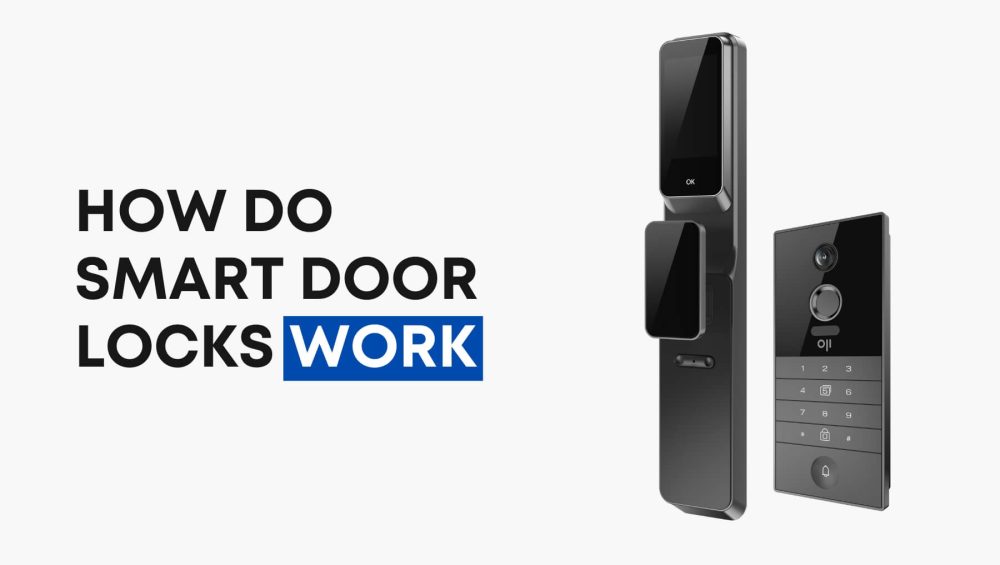
Smart locks are quickly replacing traditional keys as the new standard for home and property security. But how do they actually work? And more importantly—are they safe enough to trust with your home or rental property?
This guide breaks it down simply, so you can understand how smart locks operate, the technology behind them, and the truth about their security.
What Is a Smart Lock?
A smart lock is an electronic locking system that replaces (or upgrades) your traditional deadbolt. Instead of relying solely on a physical key, smart locks allow you to lock and unlock doors using:
- A smartphone app (via Bluetooth or Wi-Fi)
- Biometric data such as fingerprints or facial recognition
- PIN codes
- RFID cards or fobs
- Voice assistants (Alexa, Google Assistant, Siri)
Many models also support multiple methods, giving you flexibility in how you manage access.
How Do Smart Locks Work?
At the core, smart locks use the same basic deadbolt mechanism as traditional locks—but the way you control that mechanism changes. Here’s how:
- Connectivity
- Smart locks connect via Bluetooth, Wi-Fi, Zigbee, or Z-Wave.
- Wi-Fi-enabled locks allow you to control and monitor your door from anywhere in the world.
- Bluetooth models work locally, unlocking automatically when your phone is nearby.
- Authentication
- Instead of a physical key, the lock authenticates users through digital credentials—like a fingerprint scan, PIN code, or an encrypted app command.
- Integration
- Many smart locks integrate with home automation systems, video door viewers, and security cameras.
- For example, Oji and Philips models can sync with apps that show who entered and at what time.
- User Management
- Smart locks let you assign unique codes or digital keys to family, staff, or guests.
- You can revoke or limit access anytime—ideal for Airbnb and holiday rentals.
Are Smart Locks Secure?
The number one question homeowners ask is: Can smart locks be hacked?
Here’s the reality:
- Encryption & Protocols – Reputable brands use bank-grade encryption to protect wireless communication between your phone and the lock.
- Tamper Resistance – Many models include alarms or auto-locking if forced entry is detected.
- Low Hacking Risk – While no device is 100% hack-proof, it’s far more difficult (and less appealing) for burglars to hack a smart lock compared to picking or bumping a traditional deadbolt.
- Backup Access – Nearly all smart locks provide a backup option, such as a hidden keyhole, emergency power port, or mechanical override.
On the user’s side, security depends on setting strong passwords, keeping apps updated, and buying from trusted brands.
Advantages Over Traditional Locks
- No Lost Keys – Your phone, fingerprint, or code becomes the key.
- Remote Control – Lock and unlock from anywhere.
- Access Logs – See who entered and when.
- Guest Access – Create temporary codes for visitors, staff, or Airbnb guests.
- Smart Integration – Works with cameras, alarms, and other smart devices.
Common Concerns and Misconceptions
- Battery Life – Most smart locks last 6–12 months on AA batteries and alert you when power is low.
- Power Outages – They still function locally via Bluetooth or mechanical keys.
- Complexity – Many models are DIY-friendly, installing over existing deadbolts in minutes.
Final Verdict: Should You Trust a Smart Lock?
Yes—when you choose a quality brand like Oji or Philips, smart locks are both convenient and secure. They’re not only harder to pick than standard locks, but also give you advanced features like remote control, access logs, and seamless integration with your smart home.
For homeowners, landlords, and Airbnb hosts in Dubai and the UAE, upgrading to a smart lock means enhanced peace of mind, more control over access, and a modern, keyless lifestyle.
Explore the best Oji and Philips smart locks in Dubai →