



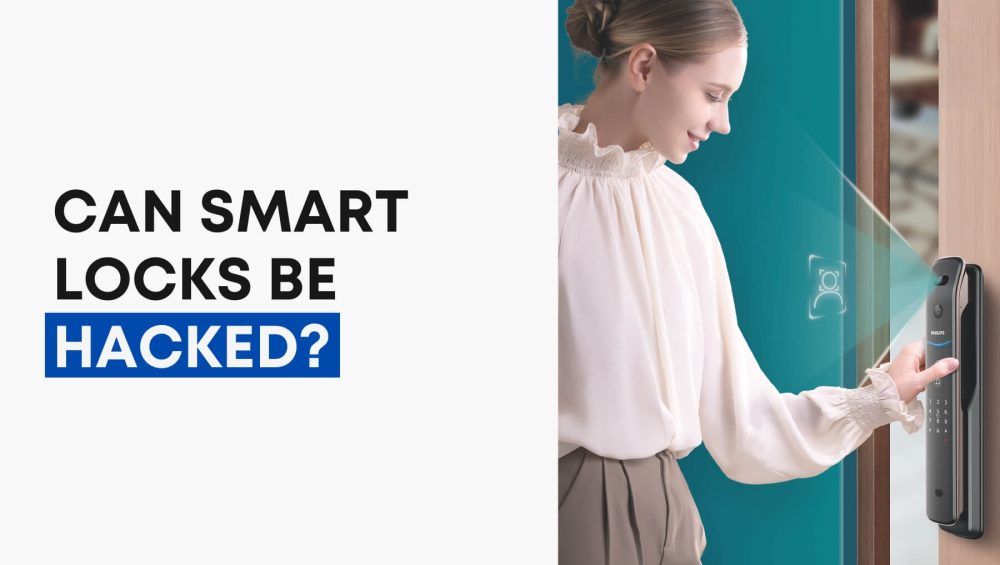
Smart locks are redefining home security in today’s connected world. These modern devices offer keyless entry, mobile access control, and integration with broader smart home ecosystems. But with all their advanced features, a pressing question remains: Can smart locks be hacked? And more importantly, should that risk stop you from using them?
In this article, we break down the facts, the risks, and real-life cases—so you can make an informed, confident choice.
What Are Smart Locks, Really?
A smart lock is an electromechanical device that allows homeowners to control door access via smartphone apps, biometrics, PIN codes, or RFID cards. Some models even include video intercoms or remote unlocking through cloud apps.
Smart locks offer unmatched convenience—but with that convenience comes the need for digital responsibility.
Are Smart Locks Vulnerable to Hacking?
Yes, but so is every connected device.
While top-tier smart locks use military-grade encryption, biometric authentication, and anti-tamper sensors, no system is 100% immune from cyber threats.
However, most successful hacks in the past didn’t result from flaws in the lock hardware—it was poor user habits, outdated firmware, or weak network security that opened the door.
3 Real Cases of Smart Lock Security Breaches
- Bluetooth Spoofing – 2018
A popular Bluetooth-based lock was found vulnerable to spoofing attacks. Hackers mimicked authorized devices to unlock doors. A firmware update quickly resolved the issue. - LockState RemoteLock Failure – 2019
Used widely by Airbnb hosts, the LockState unit failed during a cloud firmware update. Many users had to wait days for replacements. It was a wake-up call about overreliance on cloud systems without backup. - Tapplock One Brute-Force Vulnerability – 2020
A smart padlock with fingerprint access was cracked using brute-force attacks via Bluetooth. Researchers showed how weak encryption protocols exposed the system.
How to Protect Your Smart Lock from Hacking
Here’s how to drastically reduce the risk of a cyber breach:
Buy from Reputable BrandsChoose smart locks with proven security records and regular firmware support. OjiSmart, Philips, and Yale are among the top-tier brands in the UAE offering SIRA-compliant solutions.
Update Your Firmware Regularly
Enable auto-updates or check the app every month. Most hacks occur on outdated software.
Use Strong, Unique Passwords
Never use factory default codes or weak PINs like “1234.” Mix letters, numbers, and symbols.
Secure Your Wi-Fi Network
Use WPA2 or WPA3 encryption. Change your router password from time to time, and disable remote access if unused.
Disable Unused Features
If you don’t use remote unlocking or app integrations, turn them off. Reducing surface area reduces risk.
Have a Backup Plan
Look for models with mechanical key overrides, USB-C emergency power ports, or local PIN code entry in case of outages.
Are Smart Locks Worth the Risk?
When properly installed, updated, and secured, smart locks are safer than traditional locks. They offer audit trails, instant access control, and remote management—none of which a metal key can do.
Just like you lock your car and secure your phone, smart locks are safe if you treat them with the same care.
Conclusion: Should You Still Trust Smart Locks?
Smart locks are not invincible—but neither are traditional locks. With advanced encryption, biometric authentication, and proactive security measures, today’s best smart locks are designed for real-world safety.
The key is you.
Your habits, your maintenance, and your security awareness play the biggest role in whether your smart lock stays secure.
Why UAE Homeowners Choose OjiSmart
At OjiSmart, we don’t just sell locks—we deliver peace of mind. From SIRA-compliant smart locks to expert installation and after-sales support, our goal is to make your home smarter, safer, and simpler.
✅ Smart Locks for Every Door
✅ Full Technical Support
✅ Trusted by Holiday Homes, Villas & Offices in Dubai